
Category: Manufacturer Questions

  • Honda Recommends Only Using OEM Parts on Structural Repairs—Here’s Why That's Important


    https://youtu.be/BOp4yoEtBic


    Honda  doesn’t want you to take any chances with your structural repairs.

    If you’re in a collision and need to take your Honda to a shop for repairs, it only makes sense that you would want the job to be done as safely, efficiently, and cost-effectively as possible.  At our shop, one of the ways we can ensure the best possible repair for our customers is by adhering to the recommendations of each vehicle’s manufacturer.  

    It is common practice in our industry for each vehicle manufacturer to provide “Position Statements” that explain the best methods for repairing their makes and models.  Unfortunately, some body shops toss this useful advice out the window. 

    Unlike those shops, we believe it’s imperative to study the information carefully and follow the recommendations as expressed by the manufacturer.

    In the event of structural repairs, Honda has released a Position Statement recommending that only Original Equipment Manufacturer (OEM) parts be used on their vehicles:

    “American Honda does not support the use of aftermarket, alternative, reverse-engineered, or anything other than original equipment Honda or Acura parts for the collision repair of any Honda or Acura vehicle.  Further, American Honda does not support the use or re-use of structural components that have been removed and salvaged or recycled from an existing vehicle that has been previously damaged.”

    Essentially, they are explaining that it would be detrimental to your safety if anything besides OEM structural parts are used in your repair.

     

    Image of Honda


    How are structural parts different from any other parts?

    Structural parts include floor elements, body panels, frame rails, and more that basically hold your vehicle together. 

    It’s especially important to preserve the integrity of your structural components, as they are the sections of your car that can help minimize damage in the event of a collision. 

    These parts are designed with crush zones that are intended to absorb the energy in a collision, giving you and your passengers additional protection. 


    Here’s the problem with non-OEM structural parts.

    There are plenty of aftermarket, recycled, and salvage structural parts available, but none of them will ever be as reliable or as structurally sound as new OEM parts.  

    Aftermarket parts are developed to fit a range of makes and models, so they may not fit the exact specifications for placement on a Honda.  That means a technician would have to bend, heat, and employ other creative methods to get the part to fit properly.  

    Recycled and salvage parts might seem like a good idea, but keep in mind that it’s nearly impossible to determine the quality of their condition by the time they get to you.  They might be from a car that was already involved in a collision or experienced extreme weather fluctuations or simply survived general wear and tear. 

    Even upon close inspection, it’s often impossible to see all the microscopic damage a salvage part might have endured.  Even very minor discrepancies in material or shape can cause a structural part to become less effective and, therefore, less safe to use on your vehicle.


    It’s dangerous to use anything besides OEM parts in your repair.

    The engineers at Honda have carefully designed their structural parts to work together seamlessly.  According to Honda: 

    “Compromising any element of a collision energy absorption system or an occupant supplemental restraint system in the repair of a collision-damaged vehicle may have an adverse effect on occupant safety in any subsequent collision.”

    They are saying that disrupting even one structural element could throw the whole system off, leading to major problems down the road, including poor vehicle performance and less protection in a collision.

    There’s no sense in taking chances with your safety. 

    OEM parts are higher quality than aftermarket parts.  OEM parts have also never been used, never been exposed to the elements, never been rendered defective by improper disassembly like recycled or salvage parts. 

    New structural parts are made to function optimally on your vehicle, increasing your car’s performance and your personal safety.

     

    Image of Honda


    While other shops might disregard Honda’s recommendations, we respect this information because we care about the quality of your repair.

    It might be surprising to you, but collision repair shops are not required to follow the manufacturer’s instructions.  There’s no one actually enforcing these Position Statements, so manufacturers are putting their trust in us to do as they recommend.  

    At our shop, we genuinely care about every repair we do.  Because of this, we make sure to follow Honda’s recommendation of using new replacement structural parts, instead of taking chances with aftermarket and salvage components. 

    It is our mission to do what’s best for your vehicle’s performance and for your safety.
      

  • Why Chevrolet Only Approves New Genuine GM Parts for Use with Advanced Driver Assistance Systems and Why You Should Care


    Your Chevrolet’s ADAS requires new OEM replacement parts in order to function as intended by GM.

    When you take your Chevy to a shop for repairs, it’s imperative that the shop follows the guidelines specified in General Motors’ Position Statement.  Every shop has access to this information, but not every shop follows what the manufacturer says. 

    GM makes it clear that all shops should follow their instructions for how to properly repair Chevrolet bumpers/fascias on vehicles that are equipped with Advanced Driver Assistance Systems (ADAS) and there are several reasons for this.

    If you’re not familiar with what the ADAS does, it is the modern technology that can help you avoid collisions, park easily, switch lanes safely, and more.  It can include sensors, cameras, alerts, and navigational help. 

    Depending on the GM model and the year it was manufactured, your vehicle may have a very different level of ADAS than another GM vehicle.  

    Many components of a vehicle’s ADAS are embedded within the bumper and fascia, and because Advanced Driver Assistance Systems can be very sophisticated, it’s crucial to use the precise parts necessary for repairs.  


    Image of Chevrolet


    Why aftermarket, reconditioned, and salvaged parts just won’t cut it.

    The biggest reason that GM wants you to use only new Genuine GM parts is because they have been designed and manufactured for your Chevy’s specific system.  

    GM explains, “General Motors (GM) vehicles, systems and components are engineered, tested and manufactured to protect vehicle occupants based upon both government mandated and internal corporate requirements relative to durability, Noise, Vibration and Harshness (NVH), occupant protection, and vehicle safety. The overall structural integrity of the vehicle is dependent on maintaining its inherent design specifications.”

    Basically, they are saying that it would be taking a huge risk to use aftermarket, reconditioned, or salvaged parts, because those part might threaten the performance of your ADAS.  

    While Genuine GM parts have been made to fit your system like a glove, aftermarket parts are intended for use in a broader range of makes and models.  They’re also usually made with cheaper materials than OEM parts. 

    As for salvaged parts, it’s often hard to determine their history and current structural integrity, so it’s difficult to predict how they’ll hold up. 

    The same goes for reconditioned parts, which may have been rendered less effective through the reconditioning process:

    GM says, “Reconditioned Bumpers/Fascia’s available in the aftermarket may have been repaired using substrate repair “filler material” or reinforcement tapes and as such General Motors does not endorse the use of reconditioned ADAS Bumper/Fascia systems. Only Genuine GM ADAS Bumpers/Fascias and components are tested and validated as a safety system.”

    The process of reconditioning bumpers/fascia is generally disapproved of, because it can affect the stability of the components, rendering them unreliable.


    Safety is always first when it comes to repairs.

    In no uncertain terms, it can be very dangerous to cut corners with your bumper/fascia repair if your car is equipped with ADAS.  Using the wrong parts could cause a cascade problems for your system, leading to a possible collision. 

    Imagine driving on the highway and your cruise control malfunctions or your emergency braking fails or your blind spot detection acts up. 

    Any one of these issues could lead to catastrophe.  

    “At General Motors, safety is our overriding priority. With the safety of our customers at the center of everything we do, we are limiting repairs to Bumpers/Fascia’s with Advanced Driver Assistance Systems (ADAS) to topcoat refinish only. Further, topcoat refinish material thickness of repaired ADAS Bumper Fascia systems must not exceed 13 mils in thickness. Any repairs such as gouges, tears or damage that requires the use of substrate repair material or reinforcement tapes must be avoided.”

    As you can see, GM has specified that only very superficial cosmetic procedures are permitted in repairing your Chevy’s bumper/fascia. 

    Any repairs that might be necessary beyond these cosmetic procedures would warrant all-new OEM replacement parts in order to maximize your car’s performance and safety. 


    Image of Chevrolet


    Save time, money, and possibly your life by choosing a shop that follows GM’s guidelines for how your Chevrolet is repaired.

    We take a fine-tooth comb to every manufacturer Position Statement that comes our way, because we want to make sure we deliver the best possible repair to every customer. 

    Some shops don’t pay attention to what the manufacturer recommends or they simply disregard the information, even though they know better.  We would never take that chance with your wallet or your safety. 

    You can trust us to treat you and your vehicle with the utmost respect and care.

  • Why Chevrolet Recommends Only New GM Air Bag Components and Why That’s Important for Your Repair


    GM wants to maximize your safety with properly functioning air bags in your Chevy.

    In the auto body repair industry, we are provided with manufacturers’ Position Statements that describe each auto maker’s recommendations for how those repairs should be done.  General Motors has released a detailed statement explaining why they prohibit the use of any parts other than genuine GM warranted parts in the repairs of their vehicles.

    If you own a Chevrolet and need to have your air bag system replaced, it is crucial to follow the guidelines set forth by GM.


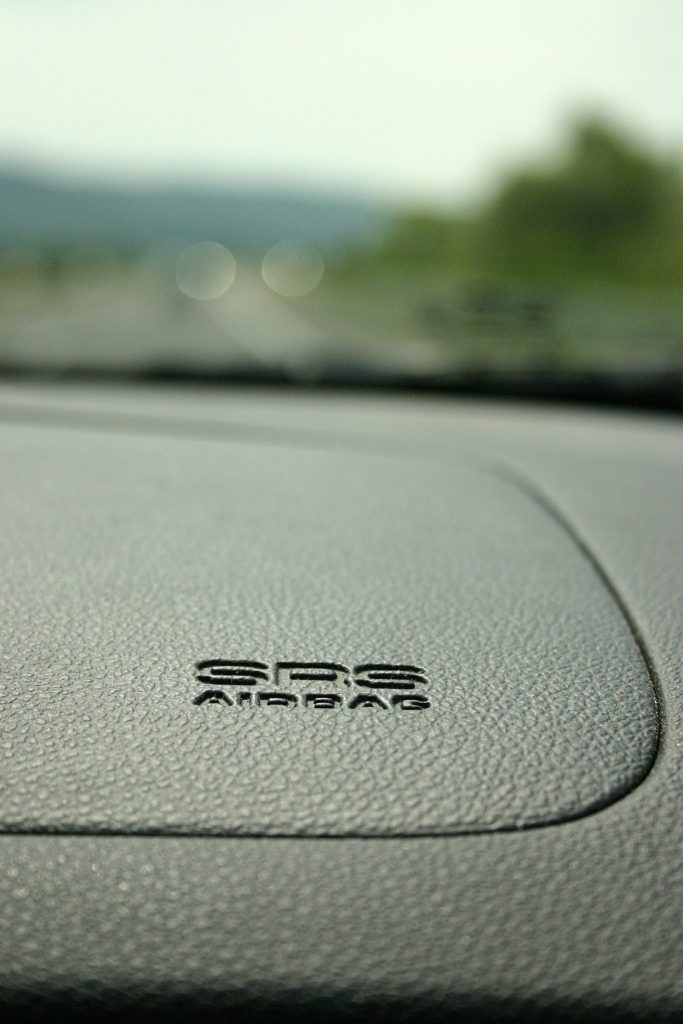
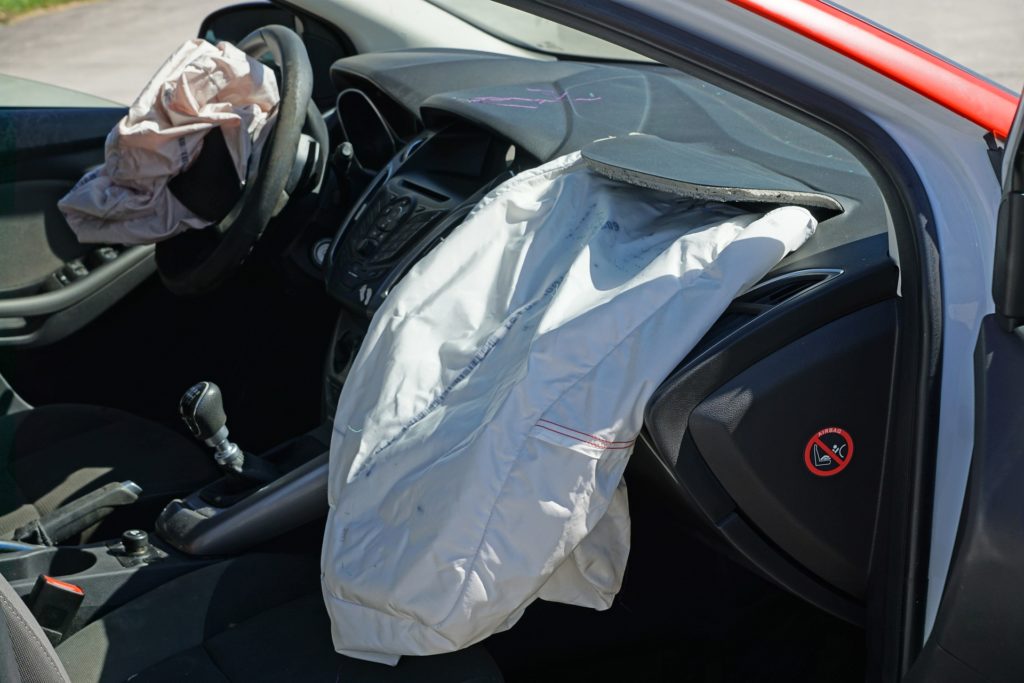
    Image of air bag


    Safety is the biggest reason for using new OEM parts.

    According to General Motors:

    “Air bag system components are carefully developed and specifically tuned for the specific vehicle environment. Corresponding air bag system components from other models or other model years may appear similar from the outside, may even fit the vehicle, but different internal elements or calibrations may result in degraded restraint performance.”

    GM is explaining that new OEM parts have been designed and manufactured specifically for the make, model, and year of your vehicle using the highest quality materials. 

    Using aftermarket parts, salvaged parts, or parts from previous model years could jeopardize your entire air bag system, potentially risking your safety.  


    The last thing you would want is for your air bag system to fail when you need it.  

    Safety and reliability go hand-in-hand when it comes to your vehicle.  GM makes an important point about the reliability of salvaged parts:

    “Reuse of used or salvaged components brings into question the conditions under which the components were obtained and stored prior to use. Components could have been damaged or stored under unfavorable conditions that could compromise performance and reliability.”

    They are saying that it’s often difficult to determine the history of the car from which the salvaged parts came.  Who knows if that car was previously in an accident or if the air bag components were compromised in some way? 

    A vehicle is a finely-tuned machine that functions well when all the parts work properly together. 

    Using a salvaged or used part could throw the whole system off.  


    Failure to use new OEM parts on your Chevrolet could void your warranty.

    It’s pretty standard for manufacturers to stipulate that new parts must be used in order for them to honor your vehicle’s warranty. 

    This is no different for GM, which states, “The use of these new parts is consistent with the vehicle factory warranty and extended warranty programs.”


    Image of air bag


    You can count on us for a repair that follows GM’s guidelines about air bag components.

    The reason why we explain the manufacturer’s Position Statement to you is that we want you to understand why we take it so seriously ourselves. 

    Some shops don’t really care what the manufacturer says and they use whatever parts they can get their hands on.  We simply refuse to take such a chance, because we don’t believe it’s worth the risk to your safety, your warranty, or your vehicle’s performance. 

    We deliver only the best repair for your Chevy.

  • Why Volvo Doesn’t Approve of Reconditioned Wheels and How This Can Affect Your Collision Repair


    https://youtu.be/-p2WhkdmJgg

    Reconditioning can threaten the structural integrity of your Volvo’s wheels.

    Volvo is very clear that the company does not approve of any wheel repair that involves reconditioning. 

    If you are not familiar with wheel reconditioning, it is a process of using various tools and methods to try to repair a damaged wheel, instead of replacing it entirely.  Some methods include welding, reforming, or reshaping the wheel.  

    When it comes to steel and aluminum wheel repair, Volvo has issued a Position Statement explaining why they do not accept wheel reconditioning in any vehicle repairs.  Here’s what they say:

    “Volvo Car USA does not approve the use of reconditioned Volvo wheels or any type of process that attempts to restore damaged wheels on Volvo vehicles. Doing so may result in loss of vehicle control and injury or death to passengers.  Reconditioning damaged Volvo wheels requires processes which can cause deficiencies in wheel strength (e.g., removal of materials, straightening, heating, welding, re-plating). Reconditioned wheels are unacceptable as they may not meet the design specifications for Volvo vehicles.”

    Volvo is saying, in no uncertain terms, that it’s simply not worth the risk to your life to cut corners with the state of your wheels. 

    If the wheels are damaged enough to warrant reconditioning, then they should just be replaced outright. 

    Heating, welding, reshaping, and any other methods of reconditioning could compromise the structural integrity of your wheels.   Being the only parts of the car to actually make contact with the road, your wheels are essential to your safety and are worth investing in.  


    Image of Volvo


    What wheel repairs are approved by Volvo?

    While wheel reconditioning is not approved of by Volvo, certain wheel repairs are permitted:

    “Volvo Car USA only approves of wheel repairs limited to cosmetic refinishing that remove and restore paint coatings only.”

    Basically, only superficial cosmetic adjustments are allowed, since they won’t jeopardize the integrity of the wheel structure. 

    Minor sanding and polishing repairs do not involve the use of heat or reshaping that reconditioning would entail.  


    Replace your wheel components with Genuine Volvo parts to maximize the effectiveness of your repair.

    If your vehicle’s wheels require replacement, Volvo recommends that you use Genuine Volvo original equipment parts:

    “Using only genuine Volvo parts will help ensure vehicle safety, performance and residual value.  Volvo genuine parts are designed and manufactured to exacting specifications to help maximize safety, performance and reliability.”

    The use of aftermarket, used, or salvaged parts can put you at almost the same risk of problems as reconditioning the wheels would. 

    Used and salvaged parts come with a questionable history, as it’s possible they’ve been compromised in a collision or through natural wear and tear.  A

    ftermarket parts present another problem in that they are often not comprised of the highest quality materials and they are also not designed to fit the parameters of your specific make, model, and year of Volvo.  Therefore, it’s best to stick to OEM replacement parts.


    Image of Volvo


    Not all shops follow these recommendations, but we do.

    It’s disappointing, but some shops throw caution out the window and continue to practice wheel reconditioning, despite Volvo’s clear instructions to avoid it at all costs.  They can get away with this because no body shop is actually forced to adhere to a manufacturer’s Position Statement.  

    At our shop, we strongly believe that there’s no reason to take a chance with your Volvo’s repair by going against the advice of the manufacturer. 

    Reconditioned wheels can lead to very dangerous problems down the road.  We will always replace your Volvo’s wheels entirely if they’ve sustained damage.  You won’t have to worry about driving on unstable wheels when you bring your vehicle to us. 

    We always follow the manufacturer’s recommendation to deliver the best possible repair to our customers. 

  • Ford Approves Only OEM Parts on Structural Repairs—Here’s Why That’s Important

    Ford Approves Only OEM Parts on Structural Repairs—Here’s Why That’s Important


    https://youtu.be/8G-B2DHSqK4


    Structural components offer additional protection in the event of a collision and require the right parts to work properly.

    It is common practice in our industry for each vehicle manufacturer to provide “Position Statements” that explain the best methods for repairing their makes and models. 

    In the event of structural repairs, Ford has released a Position Statement recommending that only Original Equipment Manufacturer (OEM) parts be used on their vehicles:

    “Ford Motor Company only approves repairs to structural components – (including frames, rails, aprons and body panels) – that are completed using Ford published repair procedures and Ford Original Equipment Parts. Failure to follow these instructions will adversely affect structural integrity and crash safety performance, which could result in serious personal injury to vehicle occupants in a crash.”

    Ford is explaining clearly and directly that your safety might be in jeopardy if you choose to use any replacement structural parts on your vehicle besides Ford OEM parts.


    Image of Ford


    How are structural parts different from any other parts?

    Structural parts include floor elements, body panels, frame rails, and more that basically hold your vehicle together. 

    It’s especially important to preserve the integrity of your structural components, as they are the sections of your car that can help minimize damage in the event of a collision.  These parts are designed with crush zones that are intended to absorb the energy in a collision, giving you and your passengers additional protection. 


    Here’s the problem with non-OEM structural parts.

    There are plenty of aftermarket, recycled, and salvage structural parts available, but none of them will ever be as reliable or as structurally sound as new OEM parts.  

    Aftermarket parts are developed to fit a range of makes and models, so they may not fit the exact specifications for placement on a Ford.  That means a technician would have to bend, heat, and employ other creative methods to get the part to fit properly.  

    Recycled and salvage parts might seem like a good idea, but keep in mind that it’s nearly impossible to determine the quality of their condition by the time they arrive to you.  They might be from a car that was already involved in a collision or experienced extreme weather fluctuations or simply survived general wear and tear. 

    Even upon close inspection, it’s often impossible to see all the microscopic damage a salvage part might have endured. 

    Even very minor discrepancies in material or shape can cause a structural part to become less effective and, therefore, less safe to use on your vehicle.


    It’s dangerous to use anything besides OEM parts in your repair.

    The engineers at Ford have carefully designed their structural parts to work together seamlessly.  According to Ford: 

    “The structural component repair procedures and repair-specific parts approved by Ford have been validated through testing by Ford engineers to return repaired vehicles to the intended level of form, function, performance and safety as our engineers originally specified.  Alternative structural component repair procedures and/or parts approved by others, are not approved by Ford. Should alternative structural component repair procedures and/or parts be used, repairers should be aware of the potential liability they incur.”

    They are saying that disrupting even one structural element could throw the whole system off, leading to major problems down the road, including poor vehicle performance and less protection in a collision.

    There’s no sense in taking chances with your safety. 

    OEM parts are higher quality than aftermarket parts.  OEM parts have also never been used, never been exposed to the elements, never been rendered defective by improper disassembly like recycled or salvage parts. 

    New structural parts are made to function optimally on your vehicle, increasing your car’s performance and your personal safety.


    Image of Ford


    While other shops might disregard Ford’s recommendations, we respect this information because we care about the quality of your repair.

    If you’re in a collision and need to take your Ford to a shop for repairs, it only makes sense that you would want the job to be done as safely, efficiently, and cost-effectively as possible.  At our shop, one of the ways we can ensure the best possible repair for our customers is by adhering to the recommendations of each vehicle’s manufacturer.  

    It might be surprising to you, but collision repair shops are not required to follow the manufacturer’s instructions.  There’s no one actually enforcing these Position Statements, so manufacturers are putting their trust in us to do as they recommend.  

    At our shop, we genuinely care about every repair we do.  Because of this, we make sure to follow Ford’s recommendation of using new replacement structural parts, instead of taking chances with aftermarket and salvage components. 

    It is our mission to do what’s best for your vehicle’s performance and for your safety.